Focus on raw materials & machines & oem odm supply for disposable hygiene products
It is meaningful to solve customer needs & grow together
What are your looking for
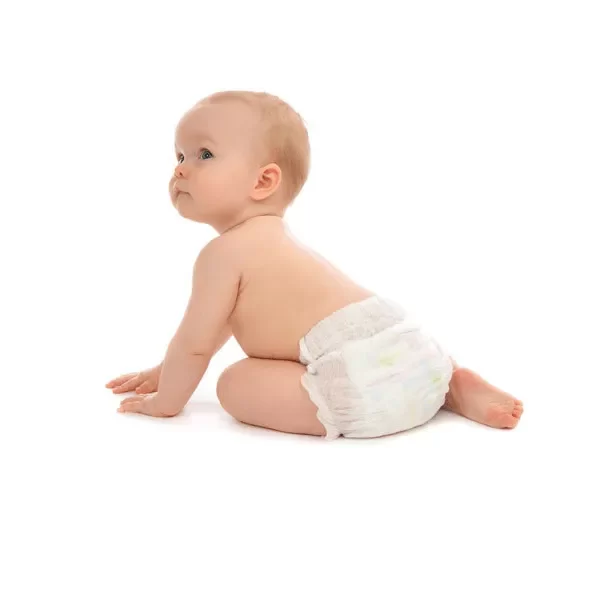
Choose Raw materials for baby diaper ?
The main materials used in the production of disposable baby diapers include:
Superabsorbent polymers (SAP): These are used to absorb and retain moisture in the diaper.
Polypropylene (PP) or polyethylene (PE) nonwoven fabrics: These are used to create the outer shell, inner lining, and absorbent core of the diaper.
Adhesives: These are used to hold the diaper together and attach the various components, such as the elastic waistband and leg cuffs.
Elastic materials: These are used to create the waistband and leg cuffs of the diaper.
Ink: This is used to print designs and branding on the outer shell of the diaper.
Perfume: These are sometimes added to the diaper for odor control. etc.
Choose Machines for make baby diaper ?
When selecting production equipment for disposable baby diapers, factors to consider include production capacity, automation level, equipment reliability, material compatibility, quality control, cost, design flexibility, and environmental considerations.
The equipment should be able to meet production goals, ensure product quality, and maximize profitability while also minimizing waste and energy consumption. Additionally, the equipment should be able to handle the specific components used in baby diapers such as fluff pulp, superabsorbent polymers, and elastic materials.
baby diaper oem ?
OEM baby diapers generally involves the following steps:
1. Determine product specifications: Work with manufacturers or suppliers to clarify required product specifications and requirements, including size, material, absorbency, design, packaging, etc.
2. Material selection: Work with the manufacturer to determine the type of material and properties required, such as fiber material, superabsorbent polymer, tape, waist and leg elastic, etc. Make sure that the selected materials meet the relevant safety standards and regulatory requirements.
3. Design and packaging: provide the required design requirements, including appearance, pattern, color, etc. It is also necessary to determine the packaging method and labeling requirements of the product, such as packaging bags, boxes, labels, etc.
4. Sample making and confirmation: The manufacturer will make samples according to your requirements and send them to you for evaluation and confirmation. At this stage, you can check the sample for quality, comfort, absorbency, etc. to ensure it meets your needs.
5. Mass production: Once the sample is approved by you, you can discuss details such as the quantity, delivery time and price of the order with the manufacturer. The manufacturer will carry out mass production according to your requirements and ensure the quality and consistency of the products.
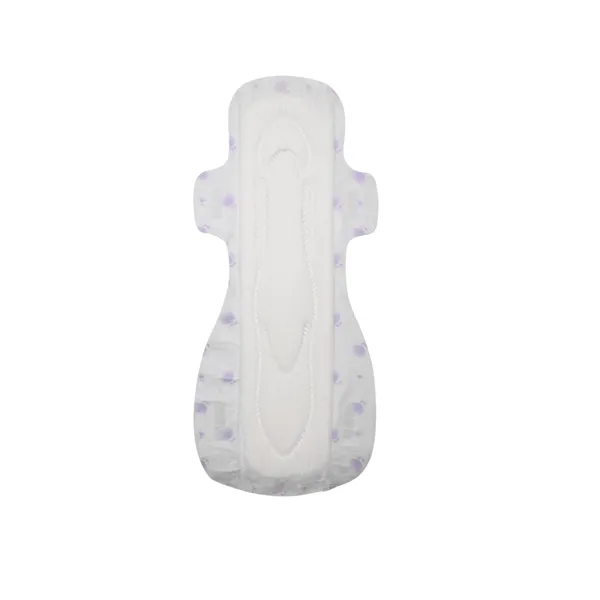
Choose Raw materials for sanitary napkin ?
Compared to disposable baby diapers, the production materials of disposable sanitary napkins include:
Fluff Pulp: Used to make the absorbent layer and core of the sanitary napkin, usually sourced from softwood trees.
Superabsorbent Polymers (SAP): Used to absorb and lock in menstrual flow, often used in combination with fluff pulp.
Polyethylene film: Used as the backsheet material of the sanitary napkin, providing leak protection.
Adhesives: Used to hold the various components of the sanitary napkin together, such as the wings and backing.
Elastic materials: Used to create the wings of the sanitary napkin and provide a secure fit.
Ink and Fragrances: Used for printing designs and branding, and for odor control.
Choose machines for make sanitary napkin ?
When selecting production equipment for disposable baby diapers, factors to consider include production capacity, automation level, equipment reliability, material compatibility, quality control, cost, design flexibility, and environmental considerations.
The equipment should be able to meet production goals, ensure product quality, and maximize profitability while also minimizing waste and energy consumption. Additionally, the equipment should be able to handle the specific components used in baby diapers such as fluff pulp, superabsorbent polymers, and elastic materials.
Sanitary Napkin oem ?
OEM sanitary napkins generally involve the following steps:
1. Determine product specifications: Work with manufacturers or suppliers to clarify the required product specifications and requirements, including sanitary napkin type (day use, night use, panty liner, etc.), size, absorbency, material, breathability, etc.
2. Material selection: Work with the manufacturer to determine the type and characteristics of the required sanitary napkin materials, such as surface material, absorbent layer material, leak-proof layer material, tape, etc. Make sure that the selected materials meet the relevant safety standards and regulatory requirements.
3. Design and packaging: provide the required design requirements, including appearance, pattern, shape, etc. Determine the packaging method and labeling requirements of the product, such as bags, boxes, individual packaging, etc.
4. Sample making and confirmation: The manufacturer makes samples according to your requirements and sends them to you for evaluation and confirmation. You can check the sample for quality, comfort, absorbency, etc. and suggest any necessary modifications or improvements.
5. Mass production: Once the sample is approved by you, you can discuss details such as the quantity, delivery time and price of the order with the manufacturer. The manufacturer will carry out mass production according to your requirements and ensure the quality and consistency of the products
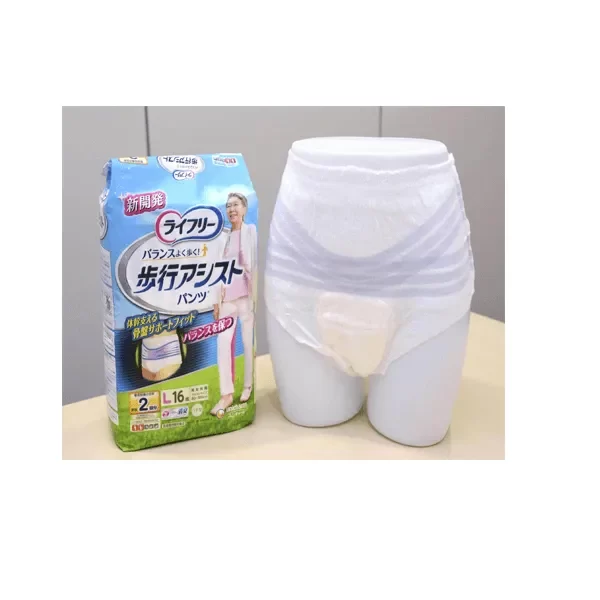
Choose Raw materials for adult diaper ?
The materials used in the production of disposable adult diapers include:
Fluff Pulp: Used for the absorbent core of the diaper, typically made from softwood trees.
Superabsorbent Polymers (SAP): Used to increase the absorbency of the diaper and lock in liquid.
Polyethylene film: Used as the backing material of the diaper, providing leak protection.
Nonwoven fabrics: Used for the topsheet, which is the layer in contact with the skin, and for the outer cover.
Elastic materials: Used for the waistband and leg cuffs to provide a secure fit.
Adhesives: Used to hold the various components of the diaper together.
Ink and perfume: Used for printing designs and branding, and for odor control.
Choose Machines for make adult diaper ?
When selecting production equipment for disposable adult diapers, factors to consider include production capacity, automation level, equipment reliability, material compatibility, quality control, cost, design flexibility, and environmental considerations. The equipment should be able to meet production goals, ensure product quality, and maximize profitability while also minimizing waste and energy consumption.
adult diaper oem ?
When customizing the production of adult diapers, you need to pay attention to the following details:
1. Size and absorption capacity: Adult diapers should be designed according to the body size and absorption needs of different users. Be sure to provide accurate sizing requirements including waist, leg, hip, etc., and desired absorbency level (e.g., light, medium, heavy).
2. Material selection: Choose high-quality materials, such as soft surface materials, high-absorbency absorbent layer materials, leak-proof layer materials, etc. Make sure the selected material is non-irritating, has good breathability and comfort.
3. Elasticity and fixing method: Consider the comfort and safety of adult diapers, and determine the appropriate waist and leg elastic design to ensure good fit and leak-proof effect. At the same time, choose a suitable fixing method, such as hook and loop, tape or adjustable fixing straps.
4. Leak-proof protection: Adult diapers should have effective leak-proof protection, especially under heavy absorption requirements. Ensure that the design and material selection of the leak-proof layer can effectively stop leakage and provide reliable protection.
5. Odor control: Some adult diapers may require integrated odor control technology to reduce the odor of urine or feces and provide better comfort and ionic protection.
6. Breathability: Adult diapers should have good breathability to promote the health and comfort of the skin and reduce moisture and skin problems.
7. Packaging and labeling: Determine the packaging method and labeling requirements for adult diapers, including individual packages, bags or boxes. Make sure the product is clearly labeled, including information on size, absorbency, etc.
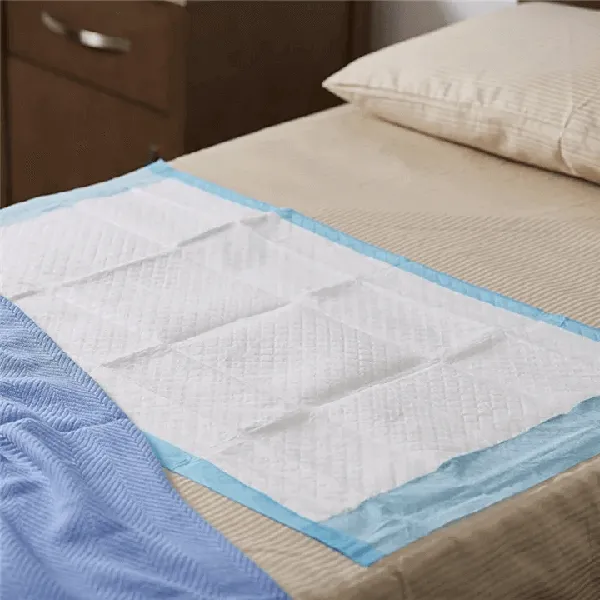
Choose Raw materials for underpad ?
The materials used in the production of disposable underpads may vary depending on the specific product, but common components include:
Top sheet: A nonwoven or perforated film layer that allows fluid to pass through to the absorbent core.
Absorbent core: Made of materials such as fluff pulp and superabsorbent polymers (SAPs) to quickly absorb and retain fluids.
Back sheet: A waterproof layer to prevent fluids from leaking onto the bed or other surfaces.
Adhesive: Used to hold the different layers of the underpad together.
Choose machines for make underpad ?
When selecting production equipment for disposable underpads, factors to consider include production capacity, automation level, equipment reliability, material compatibility, quality control, cost, design flexibility, and environmental considerations. The equipment should be able to meet production goals, ensure product quality, and maximize profitability while also minimizing waste and energy consumption. Additionally, the equipment should be able to handle the specific components used in underpads such as fluff pulp, superabsorbent polymers, nonwoven fabrics, adhesives. The equipment should also have built-in quality control measures to ensure the underpads meet desired standards.
Underpad oem ?
OEM underpad generally involve the following steps:
1. Determine product specifications: Work with manufacturers or suppliers to clarify the required nursing mattress specifications and requirements, including size, material, thickness, absorbency, etc. Consider the use scenarios and needs to determine the type of mattress, such as medical use, travel use, etc.
2. Material selection: Work with the manufacturer to determine the type and characteristics of the mattress material required, such as surface material, absorbent layer material, leak-proof layer material, tape, etc. Make sure that the selected materials meet the relevant safety standards and regulatory requirements.
3. Design and packaging: Provide the required design requirements, including appearance, pattern, color, etc. Determine the packaging method and labeling requirements of the product, such as individual packaging, rolls or boxes, etc.
4. Sample making and confirmation: The manufacturer makes samples according to your requirements and sends them to you for evaluation and confirmation. You can check the quality of the samples, absorbency properties, etc. and suggest any necessary modifications or improvements.
5. Mass production: Once the sample is approved by you, you can discuss details such as the quantity, delivery time and price of the order with the manufacturer. The manufacturer will carry out mass production according to your requirements and ensure the quality and consistency of the products.
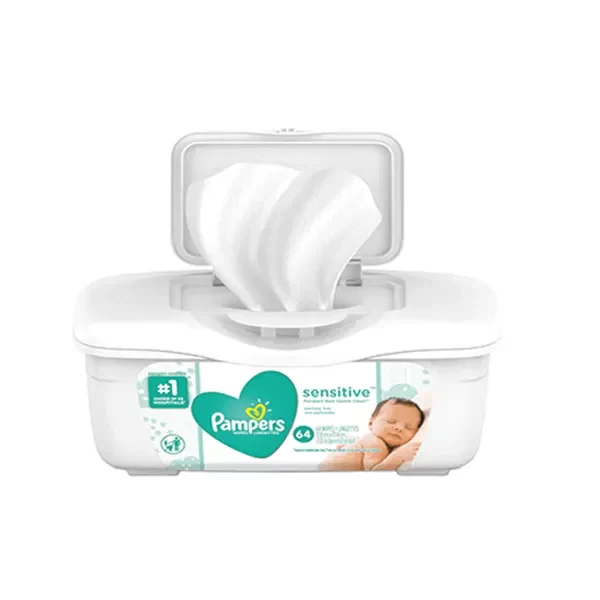
Choose Raw materials for wipes ?
Wipes are typically made of nonwoven fabric, water, preservatives, cleansing agents, moisturizing agents, and fragrances. Nonwoven fabric provides strength and softness, while water serves as a carrier and provides moisture to the wipe. Preservatives prevent bacterial and fungal growth, cleansing agents remove dirt and impurities, moisturizing agents keep the skin hydrated, and fragrances provide a pleasant scent. The specific materials used may vary depending on the intended use and design of the wipes.
Choose Machines for make wipes ?
When selecting equipment for wipe production, it is important to consider factors such as production capacity, equipment reliability, material compatibility, quality control measures, cost, and environmental considerations. The equipment should be able to handle the specific materials used in wet wipes, including nonwoven fabric, preservatives, cleansing agents, moisturizing agents, and fragrances. Additionally, the equipment should be designed to minimize waste and energy consumption while ensuring consistent product quality. Quality control measures should be built-in to ensure that the final product meets desired standards. Finally, the equipment should be easy to operate and maintain, with readily available spare parts and technical support.
wipes oem ?
Custom OEM wipes usually involves the following steps:
1. Determine product specifications: Work with manufacturers or suppliers to clarify the specifications and requirements of the required wet wipes, including size, material, humidity, packaging methods, etc. Identify uses such as baby care, facial cleansing, household cleaning, and more.
2. Material selection: Work with the manufacturer to determine the type and characteristics of the wet wipe material required, such as paper material, wetting liquid formula, additives, etc. Make sure that the selected materials meet the relevant safety standards and regulatory requirements.
3. Design and packaging: Provide the required design requirements, including appearance, pattern, printing, etc. Determine the packaging method and labeling requirements of the product, such as individual packaging, continuous roll packaging, box packaging, etc.
4. Wetting liquid formula: Negotiate with the manufacturer to determine the wetting liquid formula of the wet wipes, including ingredients, cleaning performance, fragrance, pH value, etc. Ensure formulations comply with relevant safety standards and regulatory requirements.
5. Sample making and confirmation: The manufacturer makes samples according to your requirements and sends them to you for evaluation and confirmation. You can check the sample for quality, wetness, softness etc. and suggest any necessary revisions or improvements.
6. Mass production: Once the sample is approved by you, you can discuss details such as the quantity, delivery time and price of the order with the manufacturer. The manufacturer will carry out mass production according to your requirements and ensure the quality and consistency of the products.
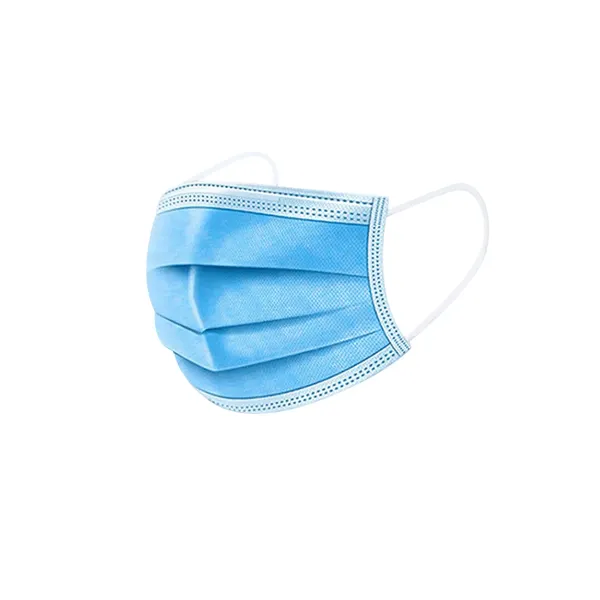
Choose Raw materials for face mask ?
Medical masks are typically composed of three layers. The inner and outer layers are made of non-woven fabric, while the middle layer is made of filtration material, such as melt-blown fabric or electrostatic cotton. The non-woven fabric provides comfort and protection, while the filtration material can filter out particles and bacteria in the air. Additionally, masks often include accessories such as nose clips and ear loops to ensure a tight fit and better protection.
Choose machines for make face mask?
When choosing equipment for manufacturing medical masks, some key factors to consider include production capacity, equipment precision and reliability, compatibility with the necessary materials and processes, compliance with relevant regulations and standards, and the ability to provide necessary support and maintenance. Additionally, it’s important to consider the cost-effectiveness of the equipment and its overall return on investment.
face mask oem ?
Custom OEM masks usually involve the following steps:
1. Determine the type and specification of the mask: Cooperate with the manufacturer or supplier to clarify the type and specification of the mask required, such as medical masks, ordinary masks, N95 masks, etc. Determine the size, layer, filtration efficiency and other requirements of the mask.
2. Material selection: Work with the manufacturer to determine the required mask material type and characteristics, such as fabric, filter material, nose clip material, ear loop material, etc. Make sure that the selected materials meet the relevant safety standards and regulatory requirements.
3. Design and packaging: Provide the required mask design requirements, including appearance, pattern, color, etc. Determine the packaging method and labeling requirements of the product, such as individual packaging, box packaging, etc.
4. Production process: Negotiate with the manufacturer to determine the production process of the mask, including cutting, sewing, welding and other steps. Ensure that the production process meets relevant standards and quality requirements.
5. Quality control and inspection: Manufacturers should implement strict quality control measures, including raw material inspection, production process control, finished product inspection, etc., to ensure the quality and compliance of masks. You can ask the manufacturer to provide a quality inspection report or conduct a third-party inspection to verify the quality of the product.
6. Mass production: Once the sample is approved by you, you can discuss details such as the quantity, delivery time and price of the order with the manufacturer. The manufacturer will carry out mass production according to your requirements and ensure the quality and consistency of the products.
About MEIYAO
MEIYAO SCM CO.,LTD is a supply chain company in China. We are mainly dedicated to supplying raw materials, production lines and machine parts, OEM & ODM services. Support customers in the production of diapers, sanitary napkins, panty liners, wet wipes, etc.
For raw materials, we can provide non-woven fabric, toilet paper, PE film, self-adhesive and tape, wood pulp, SAP, SAP paper, elastic material, ADL sheet, glue and so on.
For machines and parts, we can provide production lines, packaging machines, printing machines, dust collectors, grinding machines, vision systems, metal and weight inspection systems, gluing machines, molding machines, cutting machines, belts, bearings, parts CNC machining, etc.
No matter you are a new producer who intends to enter this industry, or an operator who has been in this industry for several years. If you need, we will be happy to help you solve your needs. Accompanying customers from small to large is a meaningful thing.
WHy CHoose US

One-stop Service
Customers can find almost all the products they want in our channels, from raw materials, equipment to OEM, OMD services.

Our Standards
Products procurement, production and processing, and finished product inspection comply with ISO9001 quality standards

Confidentiality
Perfect customer management system, and all customer information keep confidentiality.

Service Hours
24 hours online.
Frequently Asked Questions
Ans.: Yes. All of our sample are free.
Ans.: First of all, you need to provide a physical sample of the finished product that needs to be produced, and we will analyze it. At the same time, consider your additional needs and budget in order to quote an accurate price.
Ans.: Yes, you can get OEM service from us.
Ans.: I already have the machine now, can I buy wear parts and customized machined parts from you
Ans.: Yes, if you have any needs for raw materials and packaging materials, we can provide them.
Ans.: Yes, as long as you provide specific equipment requirements, we will help you find second-hand equipment through our own channels.
Our Partners